


In December, our team traveled to the Cerúlea Reserve to carry out essential maintenance work, improving the camping platform used during multi-day field stays. These visits are a core part of our conservation and monitoring efforts.
Access to the reserve is only possible via a legal right-of-way that crosses several privately owned properties. Reaching the protected area requires walking several kilometers through forested landscapes that are both breathtaking and ecologically rich. For those of us dedicated to conservation, this journey is always an opportunity to reconnect with the land we work to protect.
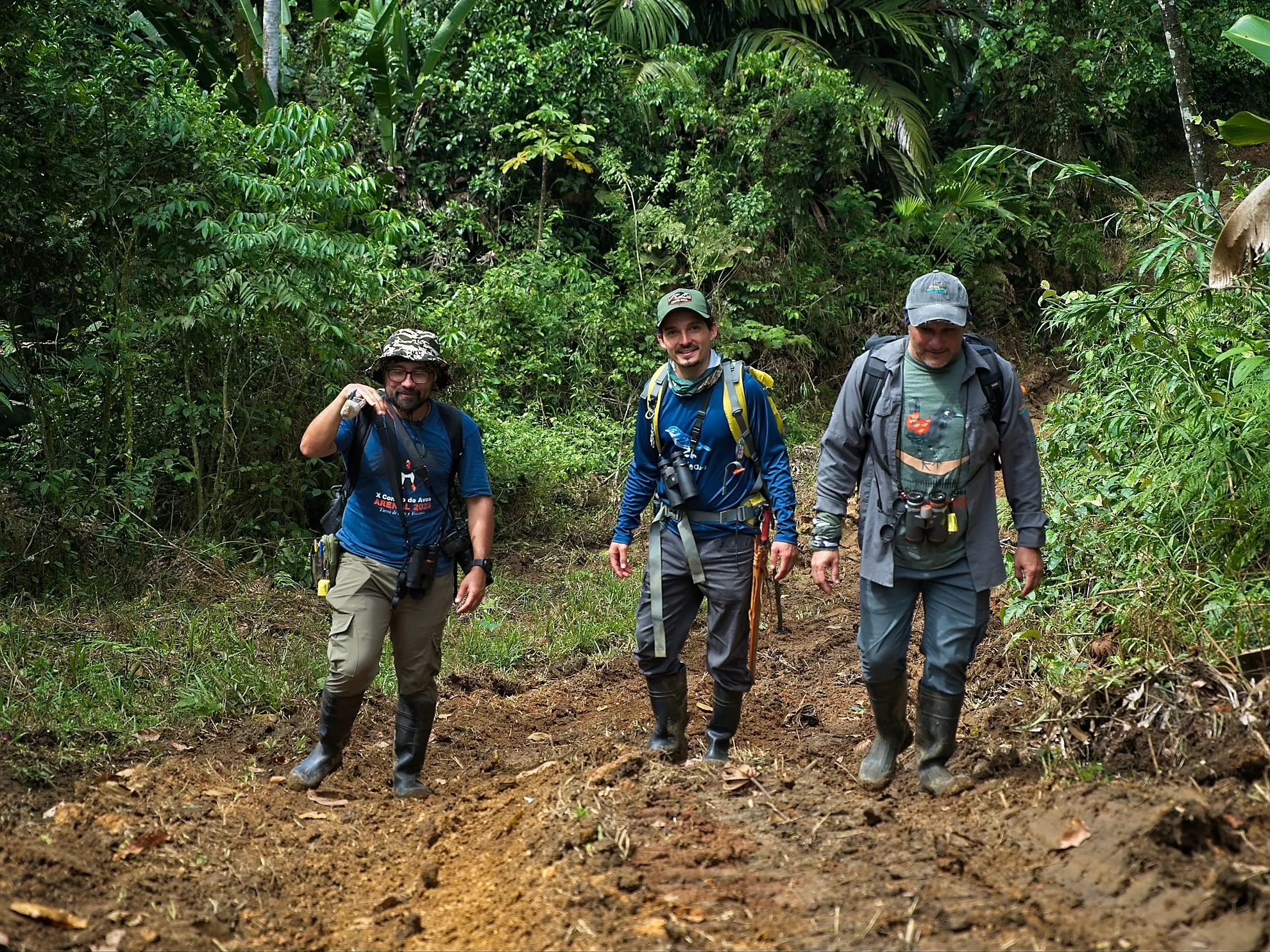
We departed early in the morning to maximize daylight hours and carried the materials needed for the planned improvements. Upon entering the access road, we noticed something unusual: the path was wider than normal and showed fresh tractor tire marks. While concerning, we continued forward.
Soon after, the reason became evident. Along the road, we found large logs from commercially valuable tree species, freshly cut and left in place, ready to be chained and transported for logging.
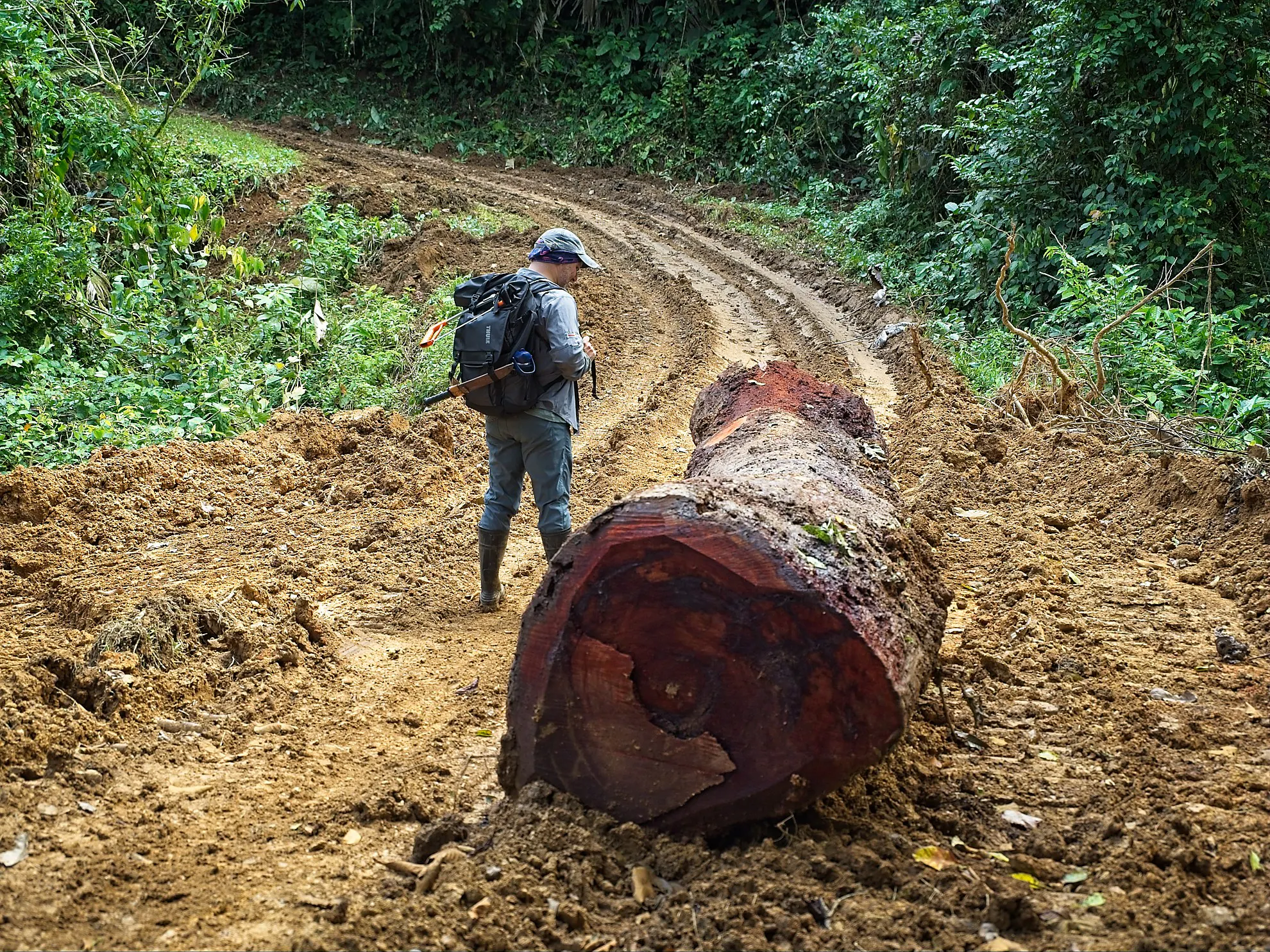
This discovery was deeply troubling. Deforestation and the resulting degradation of forest habitats remain among the most serious threats to Costa Rica’s biodiversity. These activities undermine ecosystem integrity, disrupt water regulation, and accelerate biodiversity loss driven by human pressure.
As we continued, we identified the source of the timber: mature, large-canopy trees that had been felled on a neighboring property. The damage extended beyond tree removal, including the clearing of forest areas to create access tracks for heavy machinery, further fragmenting the ecosystem.
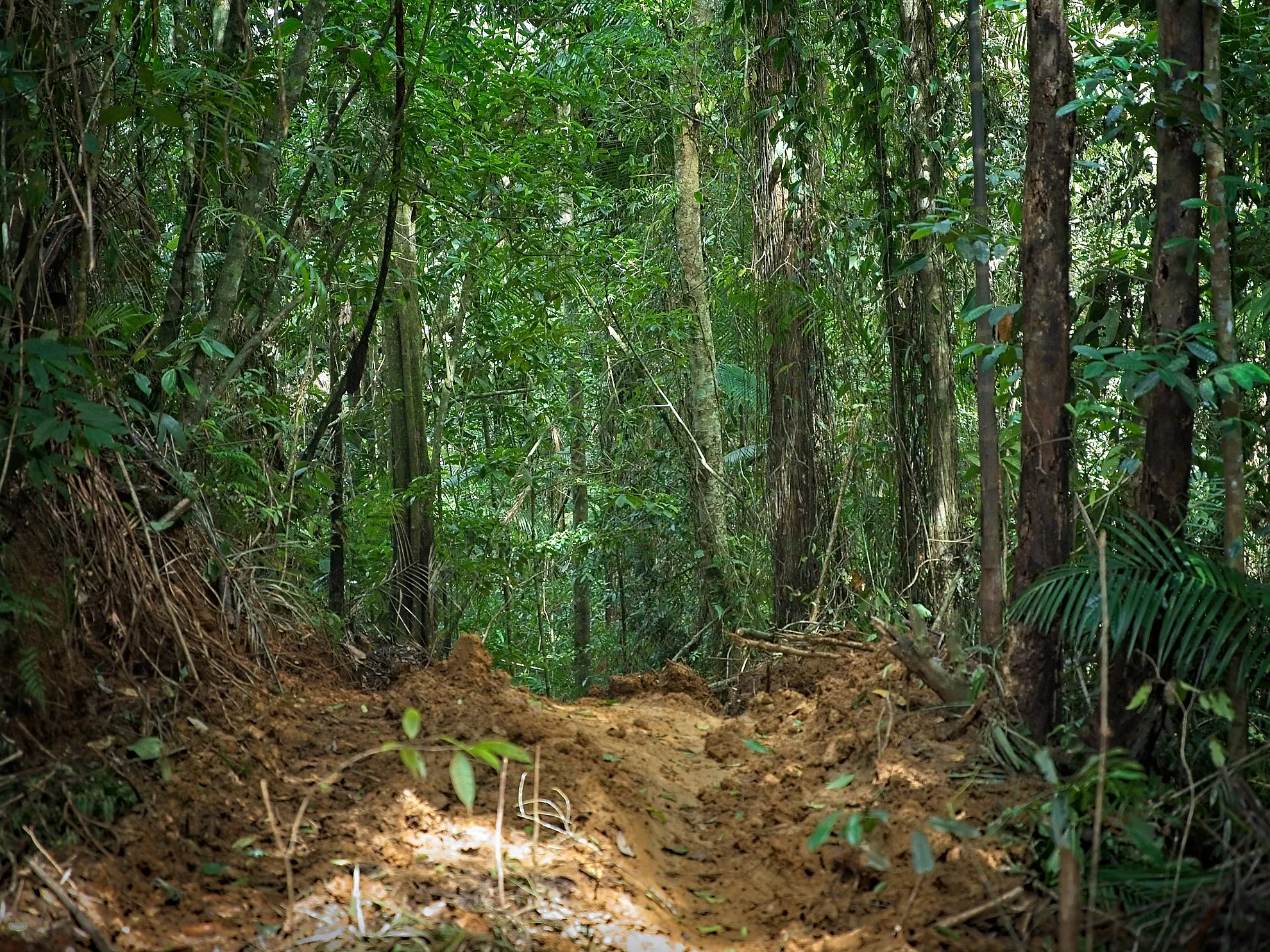
Although this logging did not take place within our reserve boundaries, it served as a stark reminder of the constant pressure facing Costa Rica’s forests. Despite existing environmental laws and forest protection policies, enforcement is often insufficient to prevent habitat loss at the local level.
This is why private conservation initiatives are critical. Organizations like the Cerúlea Environmental Association work directly on the ground to protect remaining forest cover, maintain ecological connectivity, and serve as a buffer against expanding deforestation.
Support from international donors enables us to:
Secure and manage private conservation lands
Monitor forest health and human pressures
Restore degraded areas
Strengthen local conservation capacity
Together, we can ensure that Costa Rica’s forests continue to provide refuge for biodiversity and essential ecosystem services for generations to come.